AI Music Gives People with Disabilities a Chance to Create

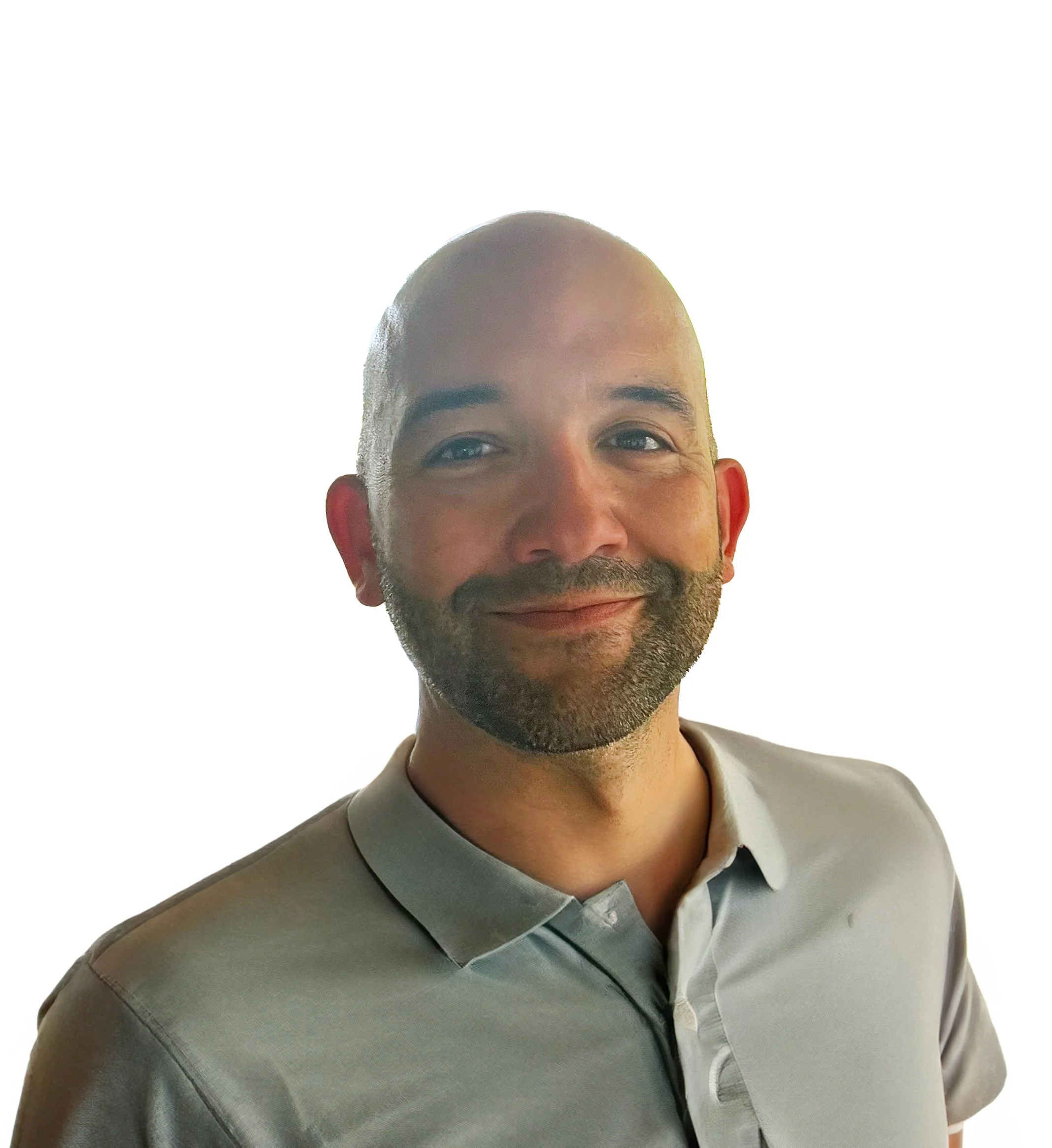
Foreground: Kyeong Hun Bang, aka 후니 (HUNI)
For decades, technology has promised to make creation more accessible. But few innovations have delivered as profoundly as AI music tools, which are now helping artists with disabilities around the world reclaim — and in some cases, discover — their musical voices.
That impact was captured beautifully in a heartfelt Reddit post from Kyeong Hun Bang, known online as u/Actual_Use_195 (and as ConflagrantV21491 on Suno). A 23-year-old songwriter from South Korea living with severe cerebral palsy, Bang had long used writing as a form of emotional release.
“Writing lyrics has always been my hobby and one of the few ways I could freely express my emotions,” he wrote. “Thanks to AI, I was finally able to turn those lyrics into real songs — something I never imagined possible before.”
Under his artist name 후니 (HUNI), Bang has since released multiple songs on platforms like Spotify, transforming text into music using only his words and imagination. “Every time I hear my voice come to life through AI, I feel deeply thankful,” he said. “I hope this technology becomes a bridge for people with disabilities — helping us break the walls of limitation and express ourselves freely.”
Music without limits
The thread where Bang shared his story quickly filled with similar experiences: quiet revolutions from creators who once thought their artistic lives were over.
User u/sabin357 described how a botched hand surgery robbed them of the ability to play instruments, draw, or even write legibly. “For me, it’s similar to using crutches or a wheelchair,” they said. “AI music tools let me show my wife what my music was like — songs I’d written decades before but could never play again.”
Another creator, u/Responsible_Froyo_21, who lives with CRPS (a chronic pain condition) and ADHD, explained how they use AI to bridge the physical gap between inspiration and production. “I use it to generate instrumentals from melodies I write in GarageBand,” they said. “Then I record my vocals over the instrumental. AI doesn’t replace musicians. It helps us create when our bodies can’t keep up.”
Each story underscored the same viewpoint: AI music tools aren’t replacing human creativity — they’re restoring access to it.
The misunderstood middle ground
For many disabled users, hostility toward AI art misses the point entirely.
“There is a beautiful middle ground here that’s being overshadowed by hate and fear,” wrote u/TTV_SgtScoots, responding to critics who view AI as theft rather than empowerment. “Keep sharing and ignore the noise. The right people will hear your message.”
These stories from across the AI music community reveal something often overlooked: that creativity isn’t about how art is made; it’s about who gets to make it.
As u/sabin357 put it, “They mock people for using AI the same way someone might mock a person for using crutches. But this is our tool for mobility — artistic mobility.”
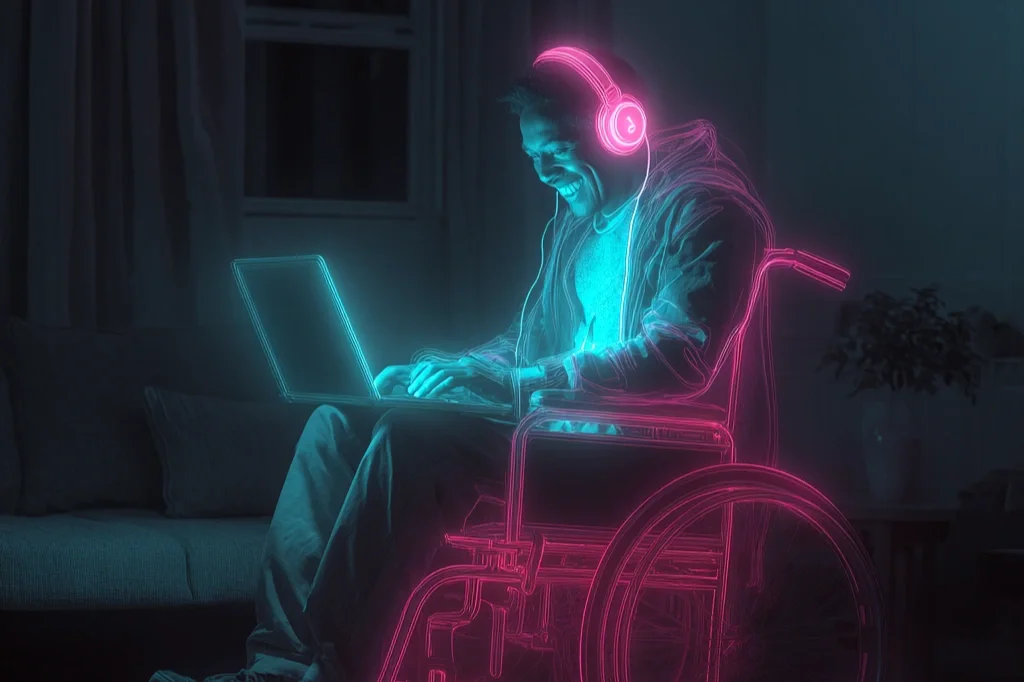
The voice behind HUNI
For Bang, that artistic mobility has become both personal and public. After discovering AI music, he also began using tools like ChatGPT to draft lyrics and refine song ideas, expanding his creative reach without needing a physical studio.
Earlier this year, when one of his favorite singers passed away, Bang wrote a tribute lyric that became his first AI-produced track — a deeply emotional piece called “참 고생 많았어요 그대” (loosely translated, means, “You’ve really been through a lot, my dear”) that accidentally went public before he realized how the software worked.
“It was one of the first songs I made,” he said. “I accidentally switched it to public while experimenting.” That “mistake” introduced him to a global audience of creators who related to his story.
Outside music, Bang runs a YouTube channel where he plays games and documents everyday life as a disabled creator. “In gaming, people sometimes use ‘disabled’ as an insult,” he said. “I really disliked that kind of reality. So I started sharing videos to show life naturally — to help people see disability differently.”
The sound of inclusion
Stories like these reveal the deeper purpose of AI in art — not to replace human effort, but to expand human possibility. What began as software for convenience has become a tool of inclusion, letting people with limited mobility, strength, or access to instruments create on their own terms.
As Bang put it, “AI helps us step confidently into the world through music and creativity.”
In an era where debates around authenticity often dominate the conversation, the disabled artists at the forefront of AI music are redefining what “authentic” means. Their work proves that technology can be more than innovation; it can be liberation.
Listen to HUNI (후니) on Suno and follow Zinstrel for more stories about the creators redefining what’s possible through AI and imagination.